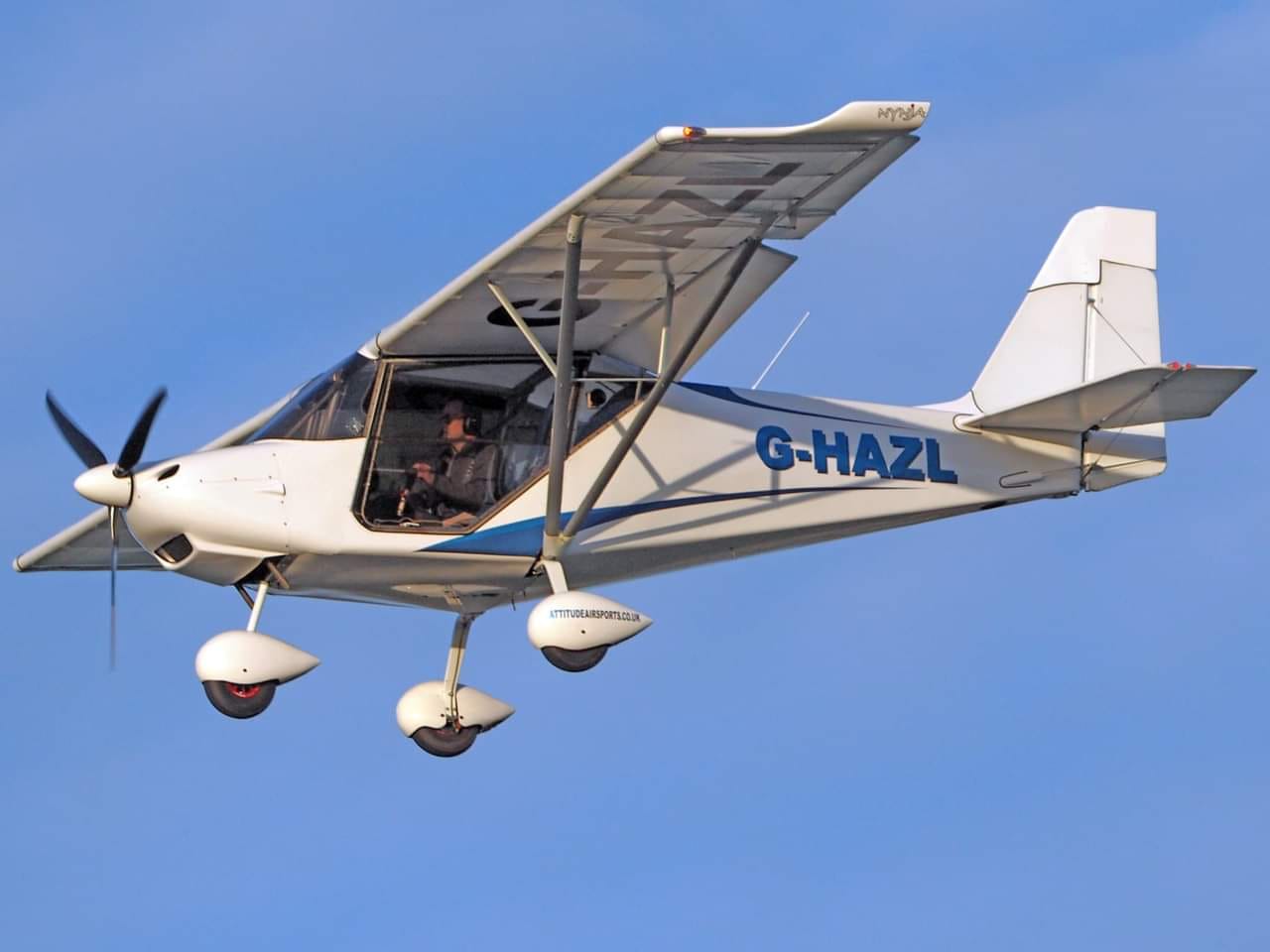
The 1st of October 2025 marked the start of the most significant licensing changes for UK microlight pilots in years. As an instructor, I’ve been fielding questions from students and fellow pilots alike:
What’s changing?
Why now?
And how does it affect me?
The short answer: the Civil Aviation Authority (CAA) is simplifying and aligning licensing rules across NPPL, PPL, and LAPL. For microlight pilots, this means both new obligations and new opportunities.
Since Brexit, UK licensing has been a patchwork of retained EASA rules, national privileges, and exemptions. The CAA’s Licensing Review (2022–2025) set out to streamline this system, reduce confusion, and ensure consistency across general aviation. Amazingly, I think they have succeeded… mostly.
For microlight pilots, the changes bring us closer to parity with other licence holders. They also recognise the real value of three axis microlight flying experience.
As an NPPL(M) holder, you’re probably wondering what the main changes are? So here is an easy to digest bullet pointed list of the main points.
- Revalidation Cycle Standardised: The old 5 hours in 13 months rule is being phased out. From 1 Nov 2026, all pilots must adopt the NPPL model of 12 hours in 24 months. This includes 6 hours in the final year. It also requires 12 take‑offs/landings and 1 instructional hour.
- Microlight Hours Count Toward ICAO PPL: Three-axis microlight time now contributes to building hours for a full ICAO PPL. This is potentially a huge win for young aspiring commercial pilots.
- Ratings Simplified: SSEA becomes SEP, SLMG becomes TMG. SEP holders can fly microlights after differences training, without needing a separate microlight rating.
- Instructional Hour Clarified: It’s not a test—just a refresher flight, tailored to the pilot’s needs. Use it to do the tasks you rarely attempt. Regain confidence in your abilities. You’ll definitely get something out of it if you use the time effectively.
- CAP Guidance: A dedicated microlight CAP document is coming, replacing the withdrawn CAP 804.
So what are the key benefits here? Well even though this is the CAA, there are definitely some positives here.
- Recognition of Microlight Experience – Hours now count toward ICAO PPL, opening pathways for young pilots.
- Simplified Administration – Ratings consolidated, fewer duplications, and retention of fast licensing issue via our superb BMAA.
- Improved Safety Culture – Mandatory instructional hour for all pilots ensures regular contact with instructors, encouraging skill refreshers.
There’s obviously a few potential drawbacks too, or at the very least things that will be perceived as drawbacks.
- Loss of Privilege – The shift from 5 in 13 to 12 in 24 might feel like a step backwards and some pilots may perceive this negatively.
- Transition Confusion – With exemptions valid until 31 Oct 2026, pilots may struggle to keep track of dates and their own validity status.
- Training Organisation Burden – Updating syllabi, examiner guidance, and paperwork will take some time.
So what do I think?
While the removal of the 5‑in‑13 cycle will definitely irritate some folks, the broader picture is positive. These changes simplify licensing, recognise microlight flying as serious aviation, and begin to align us with international standards.
As instructors, we should frame the instructional hour as an opportunity, not a burden – and definitely not something to worry about. And for students dreaming of airline careers, the ability to start in microlights is going to open up more opportunities and may even save some people a few quid too!
Overall, I think this is a step toward a clearer, fairer, and more easily understood licensing system.
Here’s a few links to some useful sites for further information.
 Dan Roach Flying Author